
From Workplace Operations to Workplace Orchestration


The office that runs itself. That’s where Robin believes workplace technology is headed. And today, we’re taking a big step toward making it real.
A few years ago, we introduced the idea of workplace operations. Hybrid work had made running an office a lot more complicated, and companies needed a better way to plan, manage and use the workplace as one connected, dynamic environment.
Workplace operations helped companies manage and optimize the modern office in meaningful ways.
But there was still a limitation: while the software could tell you what was happening, you still had to figure out what to do about it.
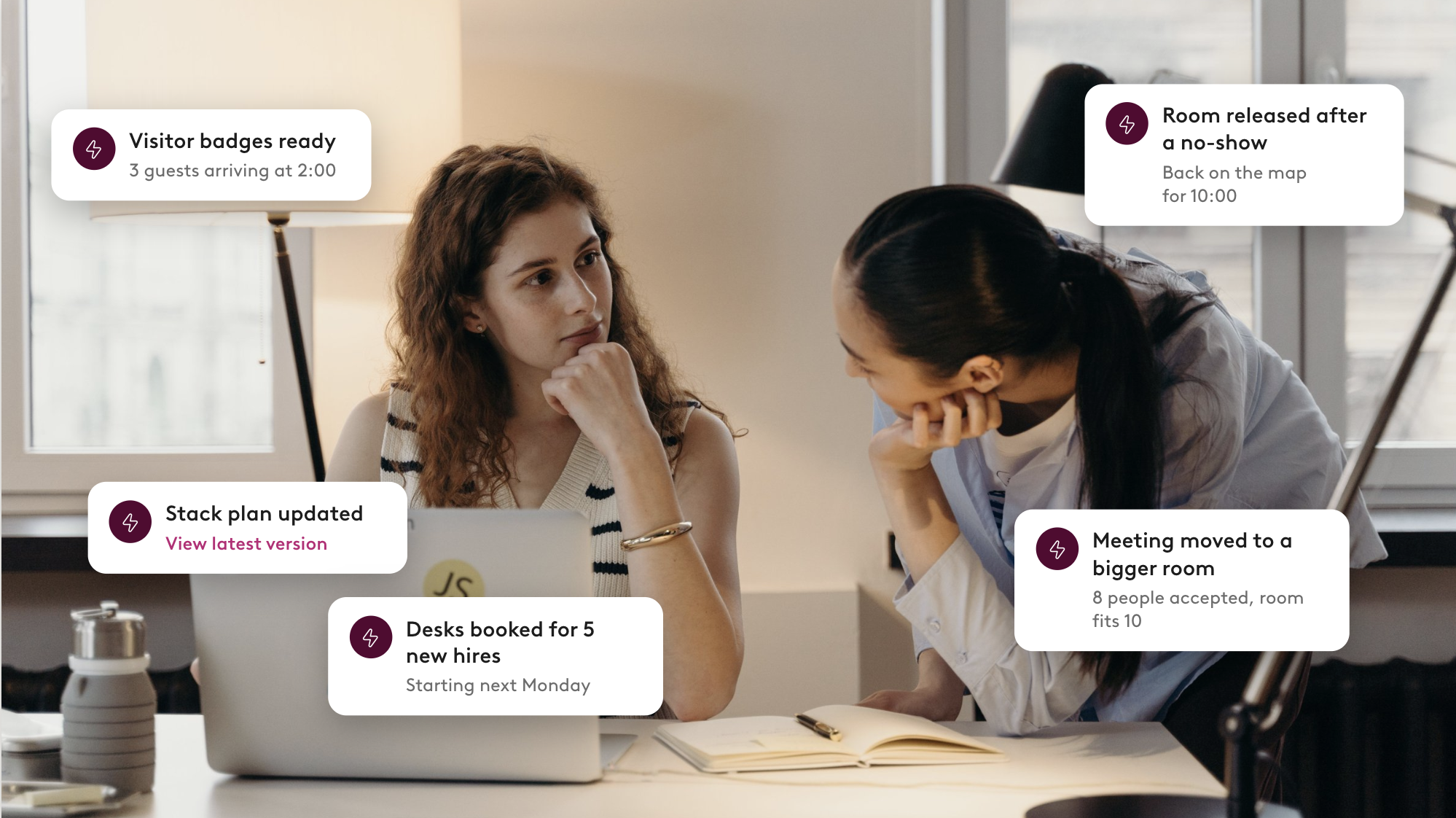
We’ve rebuilt Robin to be AI-native, and we’re launching new agentic capabilities that turn workplace intelligence into action. Robin is also the first verified workplace technology connector in Claude, bringing workplace context directly where people are increasingly doing their work.
That’s the shift from workplace operations to workplace orchestration.
You can now start with the outcome you want, build a plan around the constraints that matter to your business, and orchestrate what happens next.
One example is our new Space Planning experience in Claude. Instead of spending weeks or months manually building a space plan, you can tell Claude what you’re trying to accomplish. Robin brings the context of your workplace, Claude combines it with context from across your business, and together they can build the plan and execute it once approved.
This is a fundamentally different relationship with workplace technology.
Your workplace shouldn’t have to adapt to your software. Your software should understand how your workplace operates and adapt to you.
Workplace operations helped companies understand and manage the office. Workplace orchestration helps run it, your way.