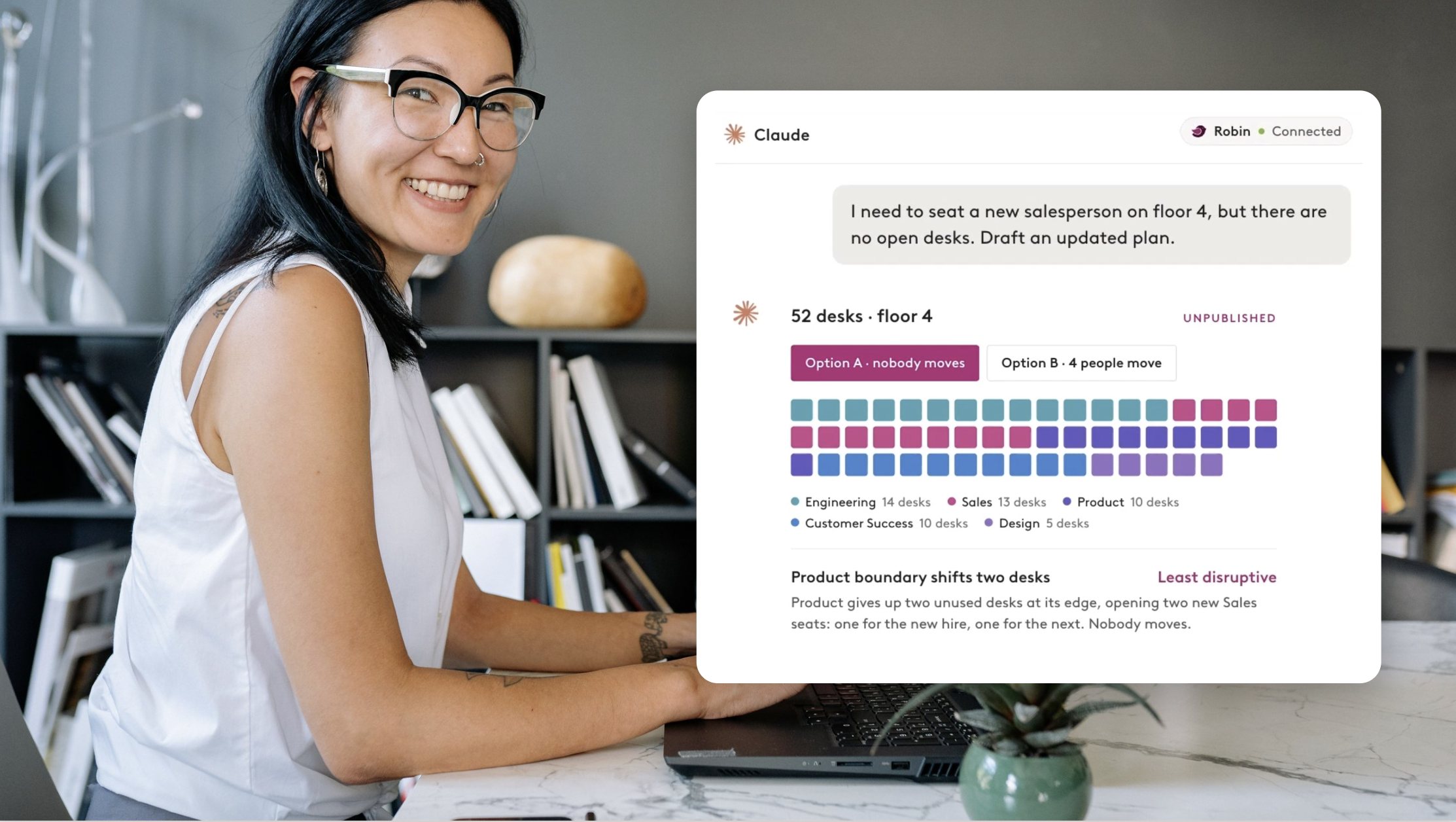

5 Ways to Optimize Real Estate, Operations, and Team Collaboration with Workplace Presence Data
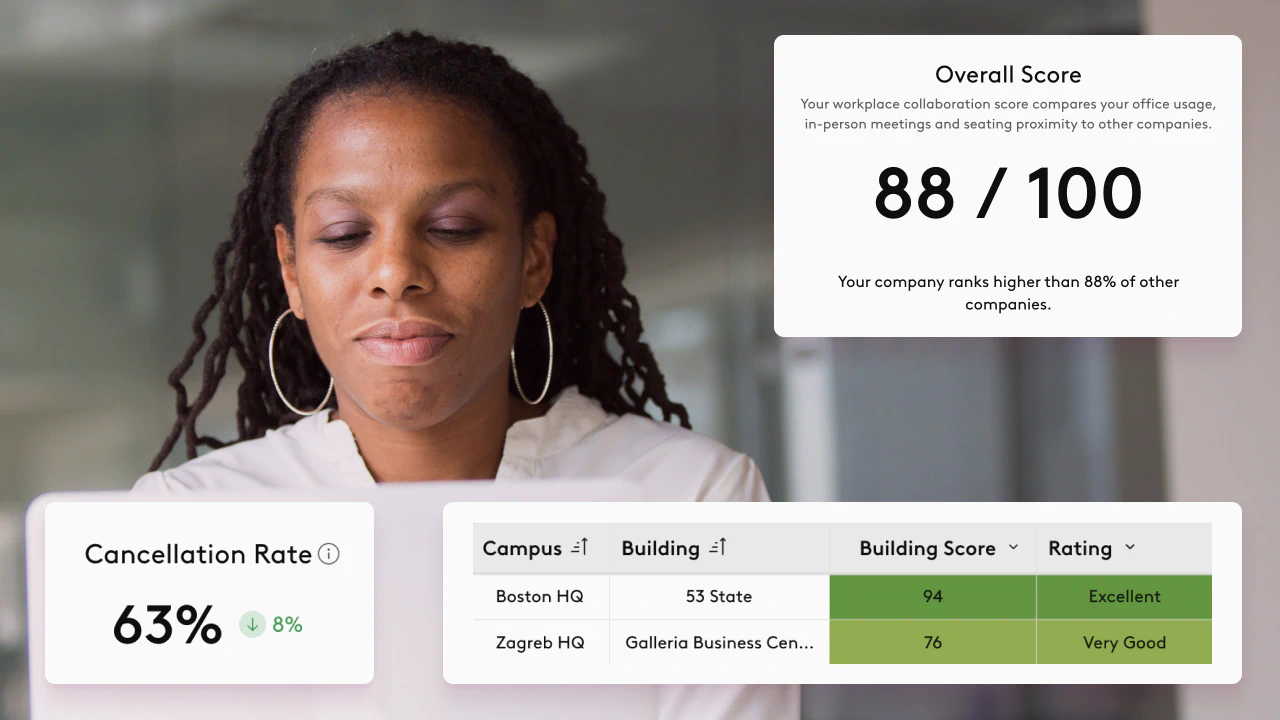


Workplace leaders make big decisions every week: where to invest, what space to cut, how to support the way employees actually work. These decisions aren't hard on their own, but they’re nearly impossible with incomplete data.
Whether you're deciding to consolidate another office floor, add more meeting rooms, or check if employees are collaborating in the office as expected, the challenge is the same: you need to know how your team actually uses your office.
This guide breaks down how reliable presence data creates a shared understanding of office usage and the decisions it helps you make. Read on to see how it helps teams optimize real estate, improve employee experience, reduce waste, and run the business more effectively.
5 Ways Workplace Presence Data Helps Your Business:
1. Make Smarter Real Estate Decisions
Real estate is one of the largest expenses for most organizations, yet many teams still base workplace decisions on periodic walkthroughs, anecdotal feedback, or average attendance reports that fail to capture how employees actually use the office. Unfortunately, these quick looks aren’t truly representative of how an office gets used.
For example, a floor that appears half empty during a single visit may be busy throughout the rest of the week. A neighborhood that looks full may actually be filled with abandoned desk reservations or ghosted meetings. Optimizing based on these snapshots often leads to the wrong conclusions.
Thankfully, workplace presence changes that conversation.
By connecting multiple workplace signals, workplace presence gives organizations a more complete understanding of how their employees use offices, neighborhoods, desks, meeting rooms, and collaboration spaces over time.
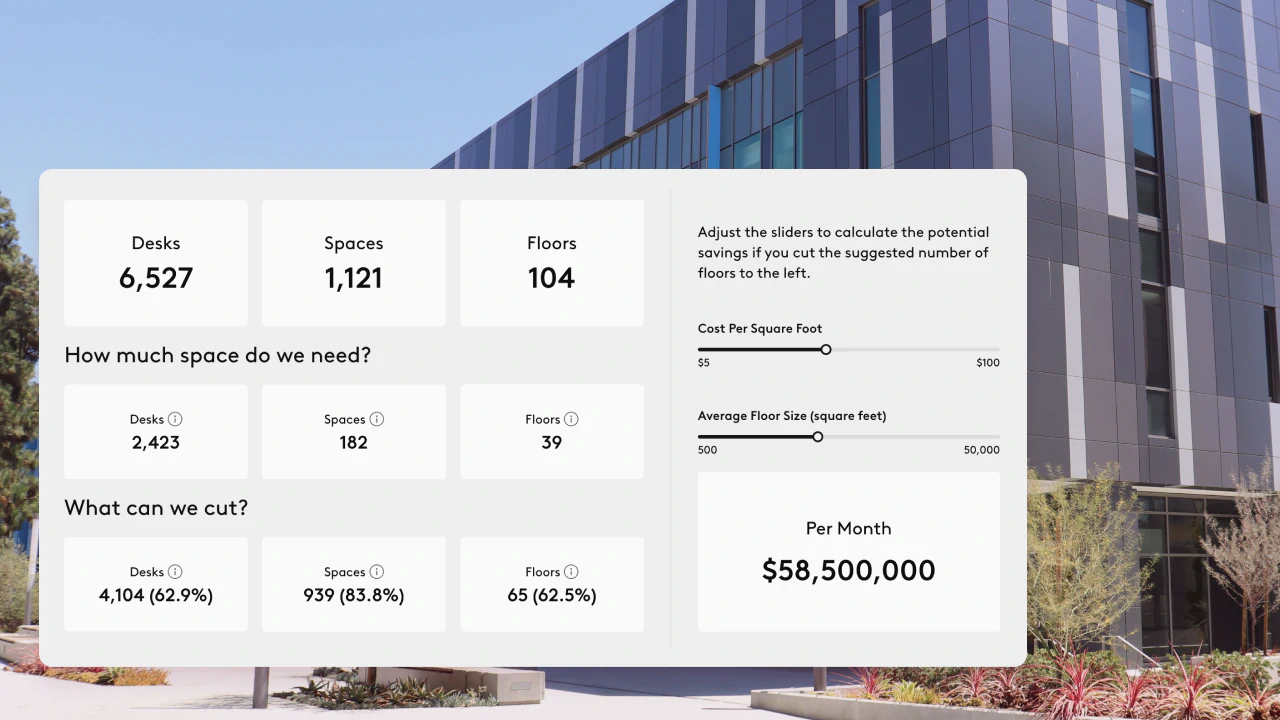
That long-term visibility gives leaders the confidence to evaluate lease renewals, consolidate underused space, and plan future investments based on evidence instead of assumptions.
How Robin Helps Make Smarter Real Estate Decisions
Robin combines badge access, desk reservations, occupancy data, Wi-Fi, and other workplace signals into a trusted view of office activity. Instead of relying on a single attendance metric, workplace leaders can see how every part of the office is actually being used over time, making it easier to identify underutilized space, support long-term planning, and make real estate decisions with confidence.
2. Improve Workplace Policies
Workplace policies work best when they reflect how employees actually use the office.
Take a common problem: Teams want to collaborate in person, but they keep missing each other. Leaders could require more office days, but that's not the only option. Workplace presence data might show that employees already come into the office often, but just come in on different days. Instead of changing the attendance policy, leaders can encourage teams to coordinate office days or adjust neighborhood assignments so the right people sit together.
The same is true for other workplace policies. Presence signals can reveal that employees regularly book desks they never use, that meeting rooms stay reserved but sit empty, or that certain teams struggle to find space on peak days. Leaders can update reservation rules, release unused spaces sooner, or change how space is allocated based on what people actually do—not what they say they'll do.
These changes make the office easier to use. Employees spend less time dealing with empty meeting rooms, unused desk reservations, and surprise schedule conflicts. They spend more time working with the people they came to see.
How Robin Helps Improve Workplace Policies
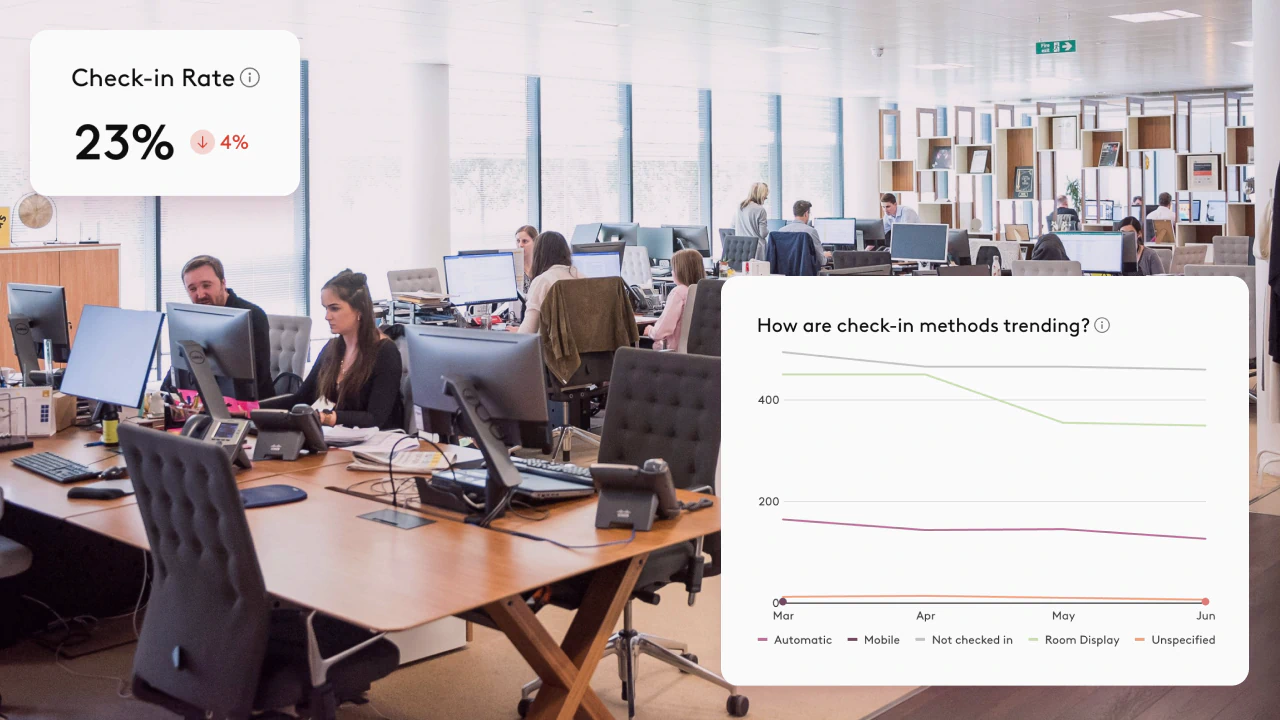
Robin captures workplace presence through everyday office activity, giving workplace leaders an accurate view of how the office operates. Employees can badge into the office and be automatically checked into their desk reservation without opening an app or completing another task. Coworkers can see who is actually onsite, making it easier to coordinate office days. At the same time, workplace teams gain the data they need to improve policies, remove friction, and create an office experience employees can count on.

3. Align Workplace Operations with Actual Demand
Hybrid work didn't just change where employees work, it changed how demand for the workplace fluctuates.
Many organizations experience their busiest days on Tuesdays and Wednesdays, while Mondays and Fridays tell a very different story. Even within the same office, departments develop their own collaboration patterns, creating peaks and valleys that aren't obvious from attendance reports alone.
Planning workplace operations around historical averages no longer works.
Reliable workplace presence gives workplace teams a clearer understanding of how employees actually use the office, allowing them to anticipate demand instead of reacting to it. This impacts everything from cleaning schedules to reception staffing, security, catering, visitor management, and other workplace services.
How Robin Helps Align Workplace Operations with Actual Demand
Robin gives facilities and workplace teams real-time visibility into office activity. Instead of relying on static attendance reports, teams can understand changing workplace patterns as they happen and adjust operations accordingly. By aligning workplace services with actual demand, Robin helps organizations reduce waste, improve resource planning, and create a smoother experience for everyone in the office.

4. Eliminate Ghost Meetings and Reclaim Wasted Capacity
When employees can't find an open meeting room, it's easy to assume you need more meeting space.
But that's not always the problem.
Many organizations measure meeting room demand by looking at reservations instead of actual usage. Rooms appear booked all day, but many sit empty because meetings were canceled, people didn't show up, or teams met somewhere else.
Workplace presence helps teams see what's really happening.
By combining meeting room reservations with workplace presence data, organizations can tell the difference between rooms that are booked and rooms that are actually being used. That makes it easier to find unused space, improve room availability, and get more value from the office you already have.
How Robin Helps Minimize Ghost Meetings
Robin combines meeting room reservations with workplace presence signals to confirm when meetings actually happen. If no one arrives, Robin can automatically release the room so someone else can use it. Over time, organizations gain a clearer picture of meeting room demand, reduce ghost meetings, and improve space utilization, without adding more meeting rooms.
5. Build Confidence in Workplace Analytics
The most valuable workplace analytics are the ones leadership trusts.
Executives making multimillion-dollar real estate decisions need confidence that workplace data reflects reality rather than estimates or incomplete reporting.
Instead of debating whether reports are accurate, organizations with strong presence data can focus on using it to improve the workplace. That confidence transforms workplace analytics from interesting dashboards into decision-making infrastructure.
How Robin Helps Improve Workplace Analytics
Robin brings together workplace presence signals from badge systems, Wi-Fi, occupancy sensors, desk reservations, QR codes, NFC check-ins, and other integrations into one trusted view of office activity. Because organizations can see how employee presence is being confirmed across multiple signals, they gain greater confidence in their workplace analytics and the decisions those analytics support.
Customer Spotlight: How athenahealth Improved Workplace Visibility with Robin
athenahealth, a global healthcare technology company with thousands of employees, faced a challenge familiar to many hybrid organizations.
Employees manually checked into desk reservations.
When someone forgot to complete that step, their reservation could be released automatically, creating a frustrating employee experience while simultaneously introducing gaps into workplace attendance data.
Leadership knew the data wasn't telling the complete story, so to eliminate the manual process, athenahealth integrated its badge access system with Robin.
The impact extended well beyond convenience.
Badge activity automatically confirmed employee presence, reconciled attendance with desk reservations, and created a far more reliable picture of office utilization. Employees no longer needed to remember manual check-ins, and workplace leaders gained significantly more confidence in their analytics.
“We wanted to make the best use of the spaces we do have so we started exploring what that meant, things like finding the right team days, deciding on how many rooms we need,” said Brittany Freeman, Director of Workplace Experience at athenahealth. “We didn’t want to be reactive in making choices; we wanted to use data. That’s where Robin comes in.”
With cleaner workplace data, athenahealth identified opportunities to redesign office space based on actual utilization rather than assumptions. They transformed one underutilized floor into a flexible training center capable of supporting large events while also being divided into smaller collaboration spaces.
athenahealth's story illustrates an important point: workplace presence doesn't create value on its own. The value comes from what organizations do with the data.
Workplace Presence Creates Value When You Put it to Work
Tracking workplace presence data is only the beginning. The organizations seeing the greatest return on workplace presence consistently use that data to improve how their offices operate.
Employees don't have to remember to check into a desk. Ghost meetings no longer block conference rooms for hours. And workplace teams stop stitching together reports from different systems before making decisions about office layouts or workplace services.
Those improvements compound over time.
Employees spend less time navigating workplace logistics and more time working together. Facilities teams spend less time reacting to issues and more time planning ahead. Leadership gains confidence that the data behind workplace decisions reflects what's actually happening in the office.
Want to Build a Clearer Picture of Your Office?
Whether you're tracking office attendance with badge swipes or combining data from multiple workplace systems, understanding workplace presence starts with knowing which signals matter and how they work together.
In our on-demand webinar, From Scattered Signals to One Clear View of Presence, Robin's product leaders show how workplace presence brings those signals together to create a complete picture of how your office is actually being used.
Frequently Asked Questions
How does workplace presence data reduce ghost meetings?
By comparing meeting room reservations with verified workplace presence signals, organizations can identify meetings that never take place. Some workplace operations platforms like Robin automatically release unused meeting rooms so other employees can reserve them, increasing meeting room availability.
How does workplace presence data improve real estate planning?
Workplace presence data shows how employees use the office over time. It helps organizations find spaces that aren't being used, decide whether they need to renew office leases, combine office space when it makes sense, and invest in improvements based on real workplace activity instead of guesswork.
What should organizations look for in a workplace presence solution?
A workplace presence solution should combine multiple workplace data sources, provide real-time visibility into office activity, automate employee check-ins, support workplace analytics, and integrate with existing systems like your badge access system.